Saving money while driving: Small habits that really make a difference
Driving costs money. Fuel, maintenance, tyres, insurance and small extras along the way can quickly add up. The good news is that anyone who drives consciously and keeps a regular eye on their car can save quite a bit in everyday life. Often, it is not major changes but small habits that make a difference over time.

Drive proactively
Accelerating hard and braking again shortly afterwards uses unnecessary energy. It is much more economical to drive at a steady speed, ease off the accelerator early and keep a close eye on the traffic ahead.
This not only makes the journey more relaxing, but can also reduce consumption. A calm driving style is particularly worthwhile in city traffic, on country roads and when commuting.
The more smoothly you drive, the less energy your car needs to generate repeatedly.

Check your tyre pressure regularly
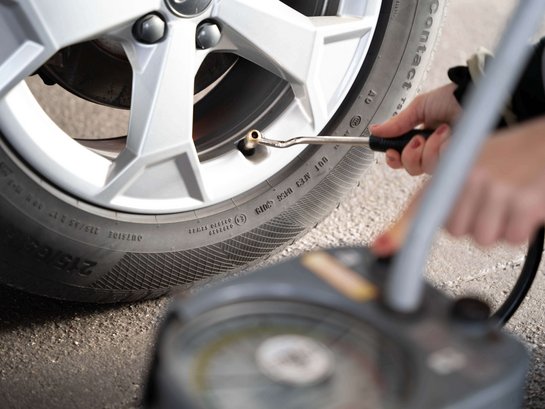
Insufficient tyre pressure increases rolling resistance. The car needs more energy to move, which can increase fuel consumption. At the same time, the tyres wear more quickly and unevenly.
Ideally, you should check the tyre pressure about once a month and additionally before longer journeys. This is particularly important when the car is more heavily loaded, for example before a holiday or weekend trip.
You can find more information in our dedicated article on tyre pressure. It explains how the correct pressure affects consumption, safety and tyre wear.

Use the air conditioning consciously
In summer, air conditioning is often essential. Nevertheless, it should be used consciously, as it requires additional energy and can therefore affect consumption.
Especially on short journeys, it can help to air out the car thoroughly first and then switch on the air conditioning as needed. On longer journeys, a comfortable temperature makes sense, but excessive cooling is unnecessary.
Tip: Park in the shade, use a sunshade and briefly open the doors before setting off. This means the air conditioning has less work to do.
Have your car serviced regularly
A well-maintained car runs more efficiently. The air filter, oil level, tyres, brakes and engine should be checked regularly. Even minor technical issues can affect consumption, safety and driving comfort.
Avoiding unnecessary delays to servicing can often prevent higher costs later on. This is particularly important before longer journeys or seasonal changes.

Refuel in good time and plan your stops better
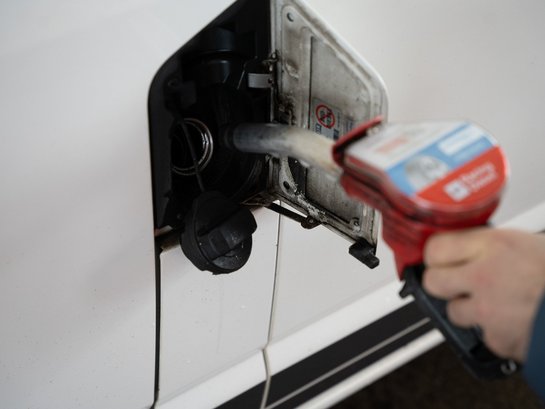
Anyone who waits until the fuel warning light comes on before refuelling has less flexibility. It is better to plan fuel stops in good time. This allows you to travel more calmly and combine the stop with other errands.
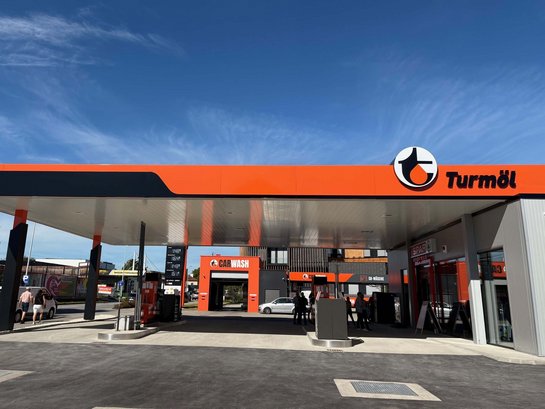
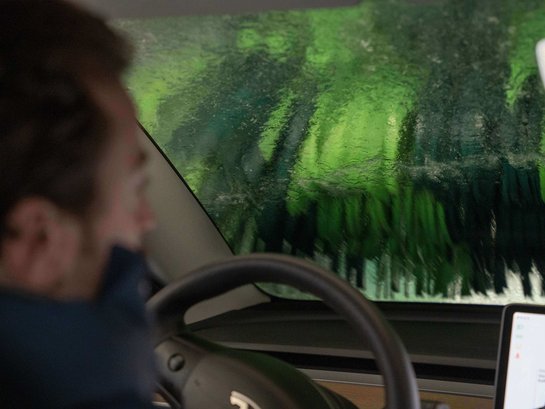
Depending on the location, Turmöl offers more than just fuel. You can also shop, pick up a coffee, wash your car or stock up for the rest of your journey.
Saving money while driving does not mean giving up comfort. It is more about travelling more consciously. Checking tyre pressure, driving smoothly, avoiding unnecessary weight, using the air conditioning sensibly and planning fuel stops more effectively can all help in everyday life.
This allows you to reach your destination more calmly, efficiently and often at a lower cost.
Q&A
Yes, air conditioning requires additional energy. It is therefore worth using it consciously and briefly airing out the car before setting off.
Yes, additional weight can increase fuel consumption. You should therefore regularly remove anything from the car that you do not need.
Ideally, about once a month and additionally before longer journeys, holiday trips or when the car is more heavily loaded.