More air, less fuel? Why the right tyre pressure matters
A quick look at your tyres can make a big difference. The correct tyre pressure not only improves the driving experience, but can also help reduce fuel consumption, protect your tyres and keep you safer on the road.
Where can you find the correct tyre pressure?

You can usually find the recommended tyre pressure:
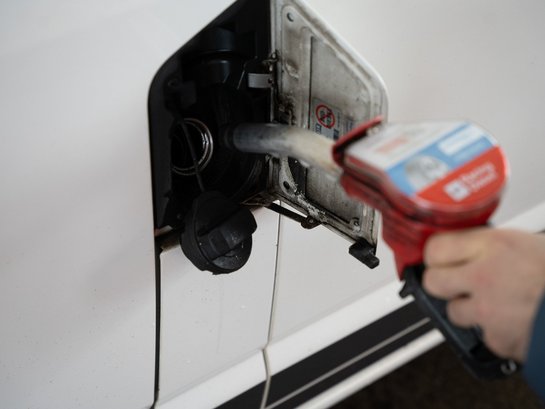
- inside the fuel filler flap
- on the inside of the driver’s door
- in your vehicle’s owner’s manual
Important: The ideal pressure may vary depending on the load. If you are travelling with several passengers, luggage or a roof box, your car will often require a higher tyre pressure than during everyday use.
Tyre pressure: a small check with a big impact
-
Why low tyre pressure requires more energy
If the tyre pressure is too low, a larger area of the tyre is in contact with the road. This increases rolling resistance, meaning the vehicle needs more energy to move forward.
In vehicles with combustion engines, this can increase fuel consumption. In electric vehicles, it can reduce the driving range.
Remember:
With the correct tyre pressure, your car rolls more easily and efficiently. -
How tyre pressure contributes to safety
Tyre pressure also plays an important role in road safety. If there is not enough air in the tyres, the vehicle’s handling can change. The car may be less stable when cornering, braking distances may increase and the tyres may heat up more quickly.
This is particularly important in summer. Heat, hot road surfaces and longer journeys place additional strain on the tyres. Checking them before setting off helps you travel more safely and with greater peace of mind.
Tip:
Check the tyre pressure before longer journeys or holiday trips and adjust it to the vehicle load if necessary. -
Why the correct pressure protects your tyres
The correct pressure also plays an important role in extending the life of your tyres. If the pressure is too low, the tyres often wear unevenly. This may mean they need to be replaced sooner.
Excessive tyre pressure is not ideal either. It can cause the centre of the tyre to wear more quickly and make the ride feel harder.

When should you check your tyre pressure?
It is best to check your tyre pressure regularly, around once a month. It is also worth checking before longer journeys, before going on holiday and when temperatures change significantly.
Tyre pressure should ideally be checked when the tyres are cold. Avoid checking it directly after a long journey, when the tyres have already warmed up. If this is not possible, follow the information shown on the pressure gauge and the instructions provided by your vehicle manufacturer.
Summer, heat and holiday travel: particularly important now
In summer, several factors often come together. The car is more heavily loaded, journeys are longer and temperatures are higher. This is exactly why a quick tyre check before setting off is worthwhile.
Everything you need for your next stop is available at Turmöl!
Q&A
Ideally, you should check your tyre pressure about once a month. It is also advisable to check it before longer journeys, holiday trips or when the car is heavily loaded.
Yes. If there is not enough air in the tyres, rolling resistance increases. The car needs more energy to move, which can increase fuel consumption.
You can usually find the recommended tyre pressure inside the fuel filler flap, on the inside of the driver’s door or in your vehicle’s owner’s manual.
Ideally, you should check the tyre pressure when the tyres are cold. Directly after a longer journey, the tyres are warm, which can affect the reading.
In summer, heat, hot road surfaces and long journeys place additional strain on the tyres. A quick tyre check is therefore particularly worthwhile before holiday trips.
Excessive tyre pressure is not ideal either. The tyre may wear unevenly, the ride may feel harder and the contact area with the road may change.